Introduction
Even though poverty reduction has been the main focus of development in the last four decades, much of the efforts to reduce poverty in the early years of poverty campaigns were centred on macroeconomic stability. While macroeconomic stability has a role to play in poverty
reduction, rigidities in some economies, especially those in the developing world, appear to have thwarted this effort (Domfe, Osei & Ackah, 2013). In view of this, multidimensional approaches to poverty reduction including targeting and addressing the needs of the poor have been embraced by some governments and the international donor communities. This became especially pronounced during the implementation of the Millennium Development Goals (MDGs) when ‘Goal 1’ was dedicated to programmes and strategies to reduce poverty. One such strategy proposed by the international donor community was social protection mechanism with the main intention of improving well-being through human capital development (Waters, 2010).
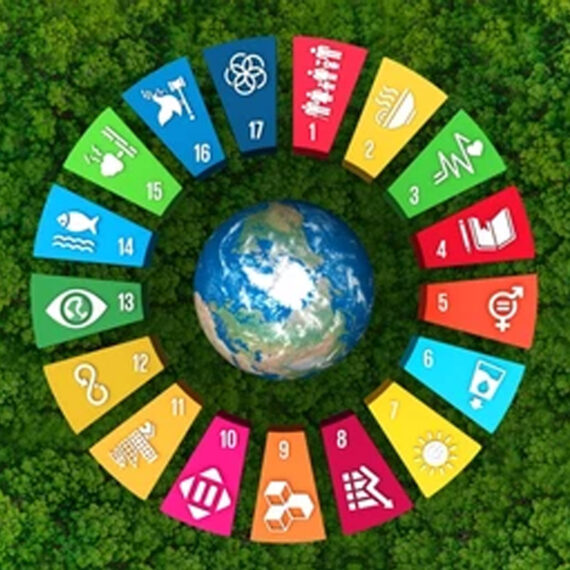
While some gains were made in poverty reduction through social protection strategies during the era of the MDGs, a lot more gains are expected during the implementation of the sustainable development goals (SDGs). Social protection packages have always come in different forms – sometimes as an intervention to reduce the impact of an adverse condition to welfare or as a mechanism of socio-economic empowerment (Devereux, 2007; Cichon, Behrend and Wodsak, 2011). This arrangement appears to be consistent with objectives of the SDGs. For instance, SDG 1 aims at addressing an end to poverty as a lot more than 800 million people around the world still live on less than $1.25 a day (UNDP 2015). Again, SDG 2 marked steps to end hunger by 2030. This may entail promoting sustainable agriculture through investment and supporting vulnerable groups.
CLICK HERE FOR THE FULL PROJECT